
The Dance’s Human Cost
Fire & BloodThis thread traces how the civil war destroys families, towns, institutions, and the social trust needed to rebuild.
increasing Bearing strength in each event
 decreasing
Bearing strength in each eventdecreasingFamily Becomes a Battlefield
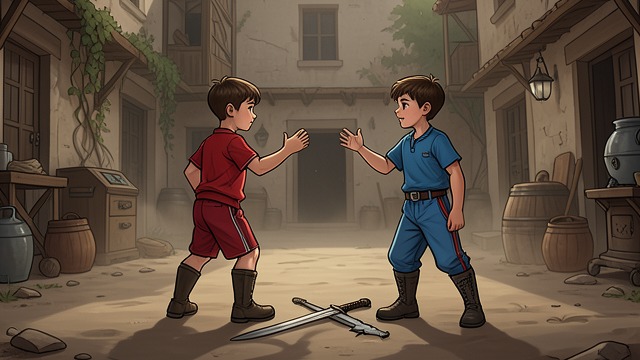
Kinship Turns Political
Children Inherit the Conflict
Rhaenyra’s and Alicent’s sons grow up as rivals, and their competing claims mirror their mothers’ hostility.
The Cost of Loyalty
Even family relations become tests of allegiance. Choosing one side can mean fighting against cousins, siblings, or children of a former marriage.
The War Reaches the Towns
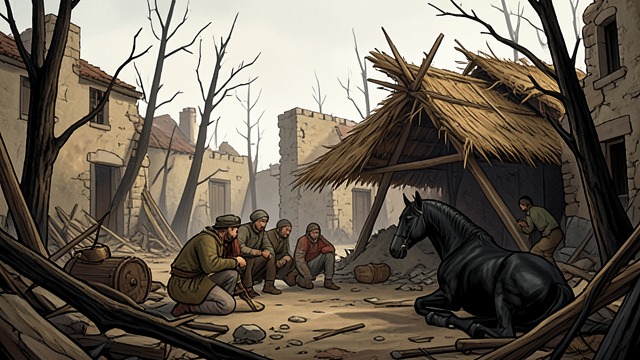
Civilian Life Is Destroyed
Villages Burn
Armies burn crops, seize livestock, and destroy settlements to deny their enemies supplies. Ordinary people bear the costs of strategies devised by lords.
Tumbleton Is Sacked
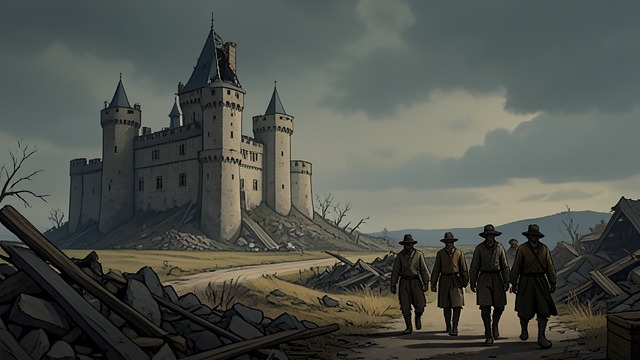
A prosperous town is reduced to ruins, with civilians subjected to killing and violence. The damage lasts beyond the battle and becomes a local memory of horror.
The Capital Turns on Its Queen
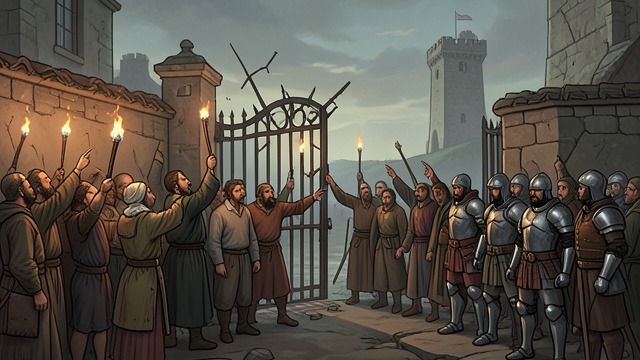
Popular Support Collapses
Fear and Scarcity
Taxes, rumors, and fear of dragon attacks undermine Rhaenyra’s hold over King’s Landing.
Rebellion from Below
Smallfolk rise against guards and rulers, then storm the Dragonpit. Their revolt shows that royal power depends on consent and security, not only dragons.
Winter Deepens the Damage
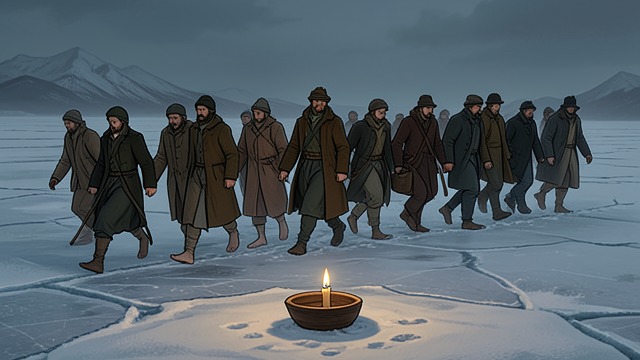
War Continues After War
Hunger and Disease
Famine and Winter Fever strike a kingdom already depleted by battle. The weak and displaced suffer most.
A Long Recovery
Rebuilding requires food, trade, and local leadership. The end of the Dance does not end the suffering it has created.
A Fragile Restoration
Peace Must Be Made
Reconciliation and Resettlement
The new regime uses marriages, pardons, loans, and resettlement to restore ordinary institutions and reduce the chance of renewed war.
Scars Remain
The court repeatedly returns to suspicion, succession, and revenge. The kingdom survives, but family and civic trust remain badly damaged.
129 AC, as the rival courts form
130 AC, during the campaigns in the riverlands and Reach
130 AC, during the Moon of Madness
131–135 AC, during the four-year winter
131–136 AC, through the regency
